Showing posts with label Daily Mirror. Show all posts
Showing posts with label Daily Mirror. Show all posts
Thursday, 12 December 2019


Wednesday, 11 December 2019
How does the general election work? UK voting system explained
As the UK prepares to vote in its third general election in five years, here's how the voting system works and what you should expect as you head to the polls tomorrow

The UK will vote in a general election tomorrow (Image: Getty Images/iStockphoto)
- 16:20, 11 DEC 2019
The UK will vote in a general election tomorrow (Image: Getty Images/iStockphoto)
People up and down the country are preparing to head to the polls for the UK general election tomorrow.
Adults over the age of 18 must think carefully about who to vote for , as the next government will have a huge impact on Brexit , the NHS and austerity.
After tomorrow, the next general election is not scheduled to take place until May 2024, by which time the UK will theoretically have left the EU.
Here's everything you need to know about how a UK general election works, and what you can expect tomorrow:
How often do we have a general election?
The UK usually has a general election once every five years.
An early general election can be called if there is a successful vote of no confidence in the government, or if two thirds of MPs vote in favour of one.
General elections are always held on a Thursday.
How to vote
In the UK, we can vote in person, by post or by proxy. It is not possible to vote online.
With just a day to go before the 2019 general election , the deadline to apply for a postal or proxy vote has passed.
The only options are voting in person at your local polling station , or - if you've had a medical emergency or unexpected work commitment - you can apply for an emergency proxy vote so somebody can vote on your behalf.
If you have a postal vote but forgot to send it, you can hand it in at your local polling station and it will still be counted.
What happens at the polling station?
At the polling station, you give staff your name and address. They will find your name in their list of registered voters, and give you a ballot paper.
On the ballot paper, you will mark the candidate who you want to vote for, and then post it into a ballot box to be counted when polls close.
How does the voting system work?
The UK is divided into 650 constituencies, and each constituency elects one MP to represent them in parliament.
Candidates usually represent a political party, but it is possible to stand as an independent.
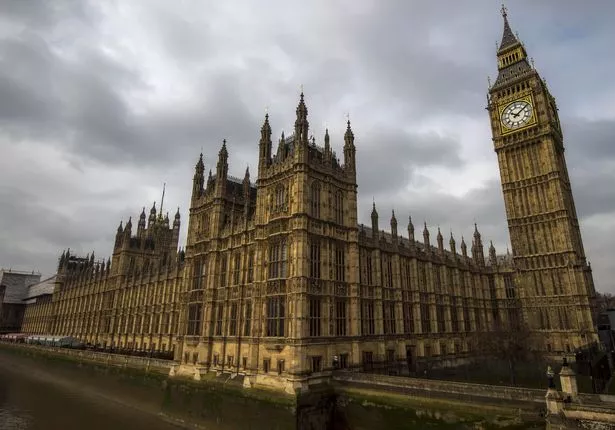
If a political party gets more than half of the seats in parliament (326 or more) they take power and form a government.
If no-one gets a majority, the party with the most seats must try to form a coalition with another party.
Who chooses the prime minister?
In the UK, we vote for our local MP instead of for the Prime Minister directly.
Whoever is leader of the winning party becomes Prime Minister, and is appointed officially by the Queen.
This means that either Tory leader Boris Johnson or Labour leader Jeremy Corbyn will likely be the Prime Minister after the general election.
What happened at the 2017 general election?
The UK's last general election was called by then-Prime Minister Theresa May in 2017.
The Tories lost their majority and were trapped in a hung parliament. They entered into a confidence and supply agreement with the DUP .
When will we know the results of the 2019 general election?
Exit polls will be released at 10pm tomorrow, after polls have closed. These usually give a strong indication of who has won the election.
We won't know the final result until all votes have been counted, and all constituencies have declared which candidate has won.
If there are recounts, or if there is no overall majority, then this could take some time.

Friday, 22 March 2019
Brexit delay explained: When will Britain leave the EU and what happens now? Fri 22 March 2019 Mirror
After 12 hours of talks the EU and UK have reached a deal - here's what it means, and what happens next
- 00:10, 22 MAR 2019
- UPDATED08:35, 22 MAR 2019 FRIDAY
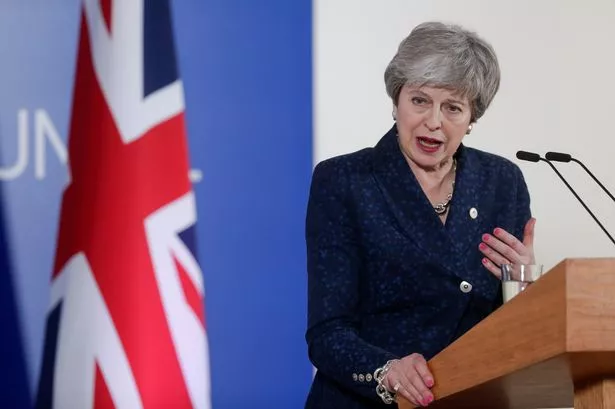
It’s official - after almost 12 hours of gruelling talks, the EU and UK have reached a deal to delay Brexit .
We definitely won’t leave on March 29, whether or not MPs back Theresa May ’s agreement next week.
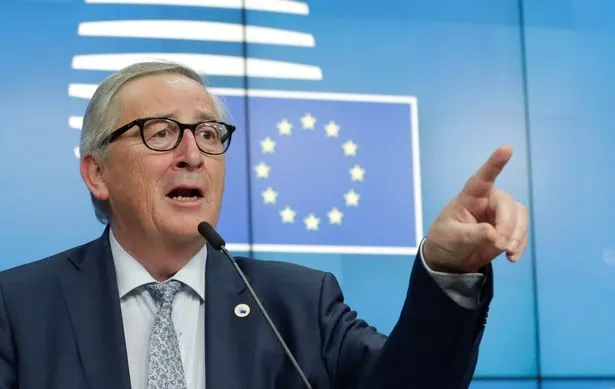
In a midnight press conference after furious behind-the-scenes wrangling - and the rare sight of hot disagreement within the EU - European Council President Donald Tusk said he is “much more optimistic” about the future.
But there are still huge unanswered questions and a political crisis in the UK.
European Commission President Jean-Claude Juncker warned we could yet face a long delay “to the very end”.
And Mr Tusk said there’s still “a lot of space” in hell for Brexiteers in the UK Parliament.
What have the EU and UK agreed?
The EU has agreed to grant a delay to Brexit.
For now the delay will either be short, or really short, depending on the circumstances.
However, there could be a second far longer delay imposed in three weeks' time.
It all hinges on whether or not MPs back Theresa May’s Brexit deal in the House of Commons next week.If MPs AGREE a Brexit deal by March 29
There will be an extension of Brexit until May 22.
This date is significant because it is just before the European Parliament holds its elections. (MEPs only actually take their seats on July 2).
The idea is the two-month extension will give enough time to pass the hundreds of laws necessary in the UK to leave the EU in an orderly, managed way.
The deal (in case you’d forgotten) gives us a “transition period” where EU laws carry over much as they do now until 31 December 2020. During that time, we would negotiate a future trade relationship.
If MPs DO NOT AGREE a Brexit deal by March 29
In this situation - seen as far more likely - there will be a tiny extension of Brexit until just April 12.
This date is significant because it’s the deadline to start the paperwork for entering European Parliament elections.
In this short time the UK faces an emergency European Council summit - and an incredibly hard set of choices.
In this situation, according to EU chief Donald Tusk, the UK has four choices:
- 1. It agrees the deal after all
- 2. It leaves the EU with No Deal
- 3. It revokes Article 50 to cancel Brexit
- 4. Or it puts forward a different plan to get a “long extension” - which would mean taking part in EU elections.
What option will Theresa May choose?
Theresa May essentially backs options 1 or 2.
She said she does not support revoking Article 50, an idea backed by more than 2million people in a petition.
And said “it would be wrong” to take part in EU elections required by a long extension, though she did not rule them out.
There has been speculation she could resign in a long extension.
And tonight Juncker warned that extension would be “to the very end” a phrase that will leave Brexiteer Tories enraged.
She said there was a “clear choice” open to MPs to pass her deal and ensure Brexit happens.
What else was there tonight?
The summit rubber-stamped the so-called ‘Strasbourg Agreement’ - the deal from earlier this month giving “legally binding assurances” that the Irish backstop, a clause in the 585-page deal that could trap the UK under EU customs rules, will not be permanent.
However, those same assurances were labelled as not a legal guarantee by the Attorney General. They’ve already been defeated by 149 votes. So they’re unlikely to win MPs round next week.
Is tonight's extension what Theresa May wanted?
No.
She wanted a delay until June 30 - if MPs approved her deal. But said nothing about what would happen if they didn’t.
After an address to EU leaders brutally described as “90 minutes of nothing”, they took the decision out of her hands.
With May out the room, EU leaders thrashed out their own two-way plan for a conditional delay.
They disagreed and the negotiation took many twists and turns, but eventually the plan above was agreed.
What happens now?
MPs are set to vote probably on Tuesday on the Brexit deal - for the third time.
If it’s voted down expect a furious series of events to unfold in Parliament and between Britain and the EU.
There will be an emergency EU summit and possible “indicative votes” for the House of Commons to find the way forward.
The EU has insisted it will not give any more on its deal - and “emergency plans” are in place for a No Deal Brexit .
Juncker said: “This closes and completes the full package. There is no more we can give.
“We’re ready for every eventuality including No Deal. We’re ready and we’ve been ready since 2017.
“Emergency measures are in place and we’re continuing to prepare.”
Thursday, 28 June 2018
MUST READ: Brexit explained - the ultimate guide to Britain leaving the EU, what's going to happen and can it be stopped
It will affect all our lives. But the negotiations and talks are so hard to explain. So what is Brexit? When will Brexit happen? What's 'hard' and 'soft', what about EU citizens - and when's the deadline? Your questions answered
- 17:30, 28 JUN 2018
- UPDATED17:32, 28 JUN 2018
Britain has voted to leave the European Union, and it'll affect all our lives.
As things stand, Brexit will come into force at the end of March 2019.
But it could be 2022 before you notice any difference - and the path to the door is littered with obstacles.
Some believe Brexit can be stopped. Others fear it could bring down the Government.
Theresa May has only a few months to strike a deal.
She has to get the EU Withdrawal bill through, negotiate the future with Brussels, get her Cabinet to agree and keep the peace in the Tory Party.
Meanwhile the whole saga is so fiendishly complicated it risks leaving you in the dark.
So here is your guide to what is going to happen, what the key issues mean, and the dangers that lie ahead.
What is Brexit?
Brexit is Britain's exit from the European Union.
The UK voted 52%-48% in 2016 to leave the 28-nation body after almost 50 years.
That means leaving its single market and customs union (see below), cutting legal ties, ending the automatic right for EU citizens to move to Britain, and reducing or ending budget payments to Brussels.
What are Hard Brexit and Soft Brexit?
Hard Brexit means cutting major ties with the EU and striking out alone, even if it damages the economy. This is backed by a large number of Tory MPs and UKIP.
Soft Brexit means sticking as close to EU rules as possible, even if it means giving up freedom and independence. This is backed by a large number of Labour MPs, and a few Tory rebels.
The Cabinet and the Tory party are split and Theresa May is trying to go for something in between to please everyone. So is Jeremy Corbyn.
When does Brexit happen and when is the deadline?
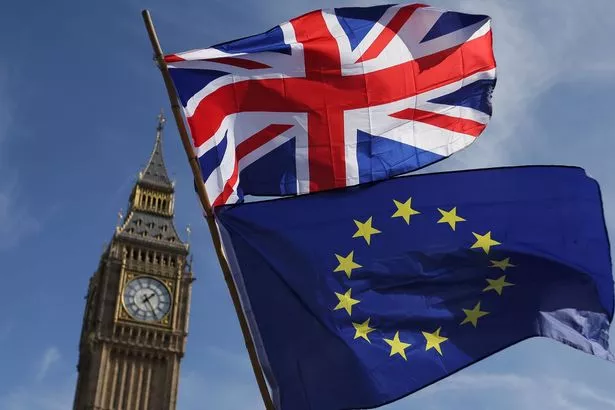
Britain officially leaves the EU at 11pm on 29 March 2019.
However a transition period has been agreed, which means almost all current rules continue until New Year's Eve 2020.
Then there is also a customs 'backstop' (see below) which could continue EU rules into 2021, or even 2022.
However, the deadline to agree the main deal is around October 2018, because it needs time to be agreed by MPs and the European Parliament.
What is the divorce bill?
Britain's Brexit 'divorce bill' - the amount it'll pay after March 2019 - was finally revealed some 534 days after the country voted to leave the EU.
Downing Street said the figure would be 40 to 45billion Euros - or between £35billion and £39billion.
The huge sum came despite Boris Johnson previously accusing the EU of "extortion" and claiming they could "go whistle".
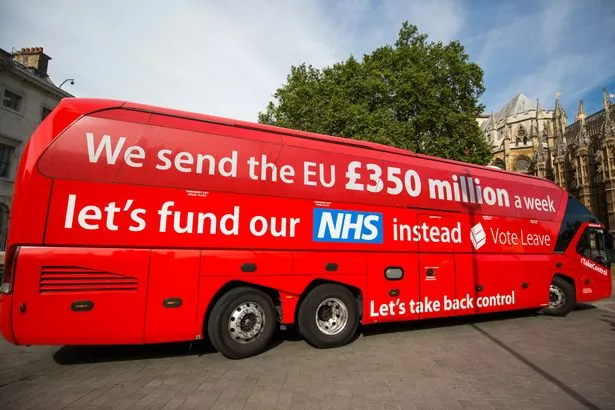
Brexiteers promised to win back £350million a week for the NHS.
However, the £350million was never going to come back in full because large amounts of it never actually went to Brussels in the first place.
What is the transition period?

Britain has secured a 'transition period' to achieve a smooth Brexit and give businesses certainty.
This will give us time to prepare for life outside the EU, such as setting up new customs systems and agencies.
But it means Britain has to continue to accept EU rules, including freedom of movement (EU immigration), and European Court of Justice jurisdiction.
Britain and Brussels agreed the transition in December 2017. The key details are explained below.
What deal does the government want?
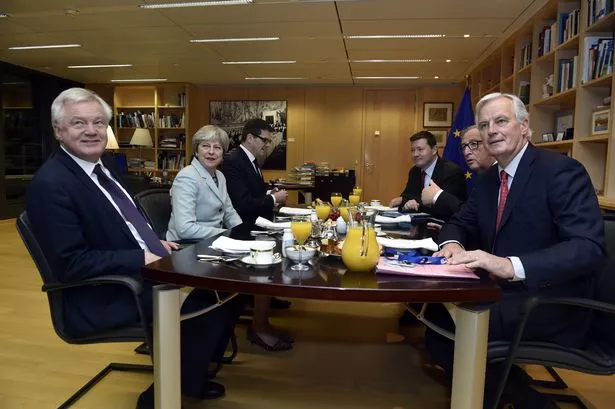
That is the £350million-a-week question. The Cabinet hasn’t decided.
The EU said we had two choices, the Norway model or the Canadian model, but Theresa May essentially ruled both out.
The Norway option (EEA) would see us paying to access the single market and accepting EU rules, including free movement of people.
The Canadian-EU agreement (CETA) allows for free trade between the two countries but does not include services which is our largest sector.
The Prime Minister claims she will get a bespoke deal for Britain - sometimes called 'Canada Plus'.
This will be a free trade arrangement with frictionless borders and include financial services.
In other words we want a huge array of the benefits of being in the club - but without paying a membership fee.
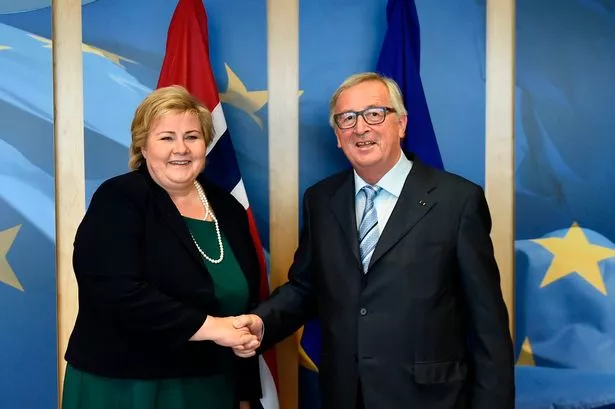
How are the Tories split?
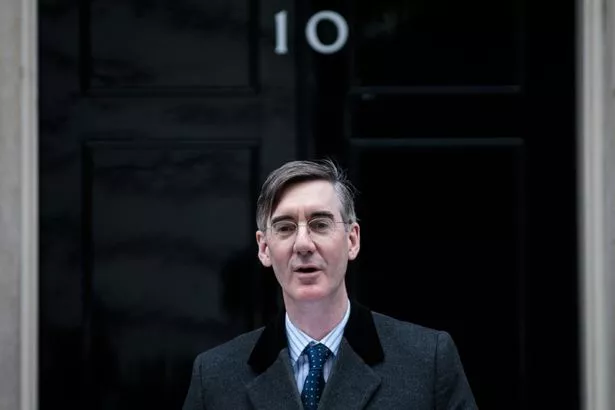
The Tory Cabinet is split on how closely it will align with EU rules after Brexit.
Chancellor Philip Hammond wants us to stay close to the EU to avoid adding red tape and customs delays.
But Brexiteers like David Davis, the Brexit Secretary, believe this will limit our ability to strike competitive trade deals with non EU countries.
There is a powerful Hard Brexit wing on the Tory benches. More than 50 MPs are in the European Research Group, a pressure campaign led by influential MP Jacob Rees-Mogg.
There are fewer Hard Remain MPs on the Tory benches, but they have a huge amount of power because Theresa May has a very thin majority. That means if they team up with a united, Labour they can defeat the government.
How is Labour split?
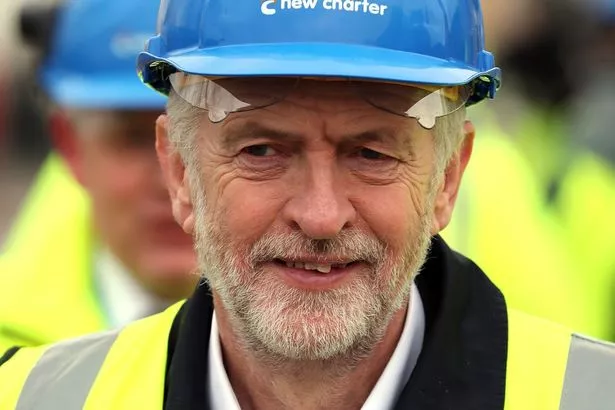
Labour's leadership says Britain should have a full Customs Union with the EU (see below) but leave the EU single market (also see below).
There is an angry wing of about 50 Labour MPs who say leaving the single market is the wrong decision, and often rebel against Jeremy Corbyn.
Slowly, they have helped persuade the party leader to shift Labour's stance towards a 'soft' Brexit - hence the customs union policy.
Can Brexit be stopped?
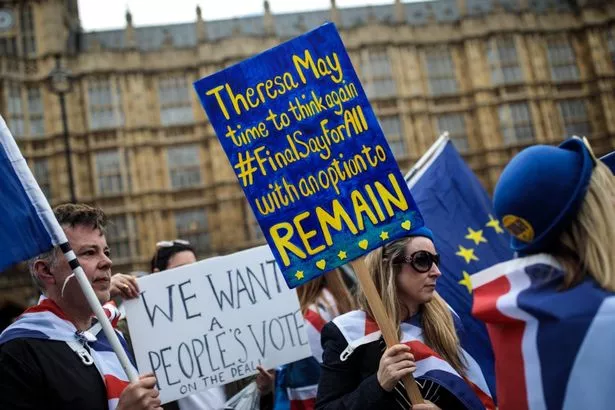
At the moment this looks unlikely.
There are campaigns with multi-million pound backing, such as Best For Britain, that are trying to halt the process as we know it.
But stopping Brexit would probably need a second referendum. And we'd need a big change in public opinion to make the pressure hot enough to get one.
Most polls have yet to detect any significant shift since the June 2016 referendum, with those who voted Remain still likely to vote Remain and those who voted Leave still likely to vote Leave.
Both Tory Boris Johnson and Labour's John McDonnell have warned of a public backlash if there was any attempt to overturn the referendum result.
Some diehard pro-EU campaigners still believe it is possible to reverse the decision - but most are focusing on trying to stop a hard Brexit.
The House of Lords tried to do this through the EU (Withdrawal) Bill, where peers passed 15 amendments turning Hard Brexit to Soft. But they were overturned by MPs.
Labour has insisted it is not backing a second referendum. But several times, senior Labour figures have refused to rule out backing one in future. And many backbench MPs openly back a second referendum, calling it a 'People's Vote'.
What will happen to EU citizens?
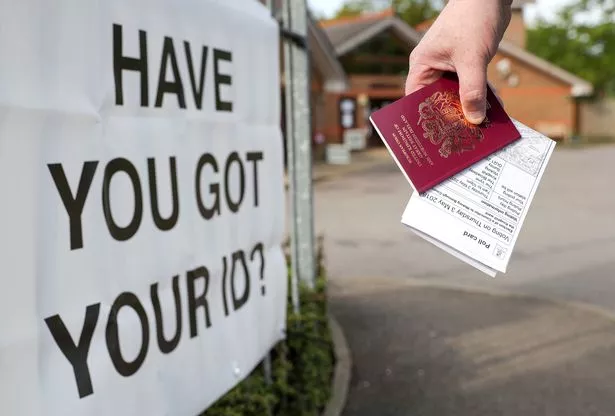
Britain and Brussels have agreed EU nationals can continue arriving, working and settling in the UK until December 2020.
This will also apply the other way round.
But it's not known what rights people will get if they arrive after that.
It's been suggested EU citizens will get preferential immigration rights compared to people from the rest of the world, but that's not confirmed.
What about EU citizens who live in Britain now?
More than 3million EU citizens already live in the UK. They spent months not knowing what would happen, but now it's confirmed.
During 2018, the Home Office will launch an application system for EU nationals seeking to remain in Britain after Brexit.
Those who have been in the country for five years by the end of 2020 will be able to apply for "settled status" - meaning they are free to continue living and working in the UK.
People who have arrived by December 31, 2020, but do not have five years' residence, will be able to apply to stay until are eligible to apply for the status.
What about British citizens who live in the EU now?
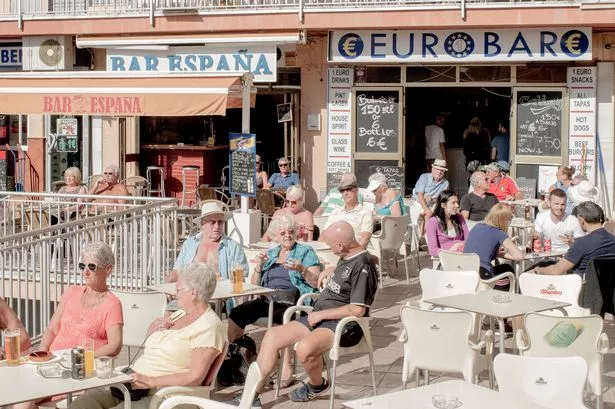
More than 1million British citizens live in the other 27 EU countries.
They will have the same rights to stay there as EU citizens have to stay in the UK.
But it's not clear if they'll lose the right to move around and settle in any of the other 26 EU countries.
Perhaps for this reason, applications for foreign citizenship - especially in Germany - have soared since the Brexit vote.
What is the single market?
The single market is the EU's united system for trading and exchanging without any borders between 28 nations.
Theresa May has insisted we will leave it after Brexit.
It has many benefits, but in order to stay in it we'd have to sign up for four 'freedoms' - the free movement of goods, services, people and capital.
This would leave Britain unable to crack down on immigration.
What is the customs union?
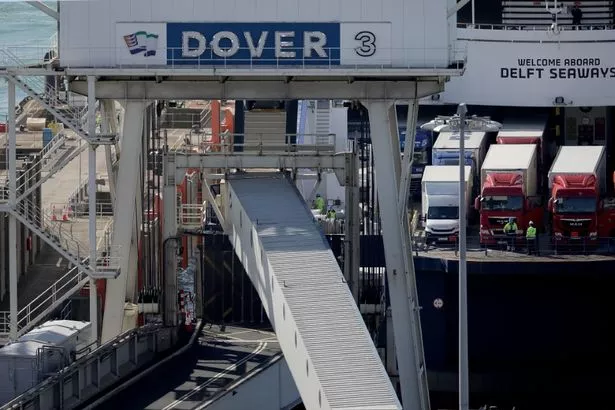
The European Union operates as a 'customs union'.
This means the 28 member states can trade freely with each other without any checks or duties on goods.
It also means all the countries in the EU set the same tariffs on imports from non-EU countries.
For example, car imports from the US to the EU carry a 10% tariff, while South Africa has to pay up to 16% on the oranges which it exports to the EU.
Being in the customs union benefits the UK because the EU is our largest trading partner.
But Theresa May wants the UK to leave the customs union, because otherwise we can't sign trade deals with other countries around the world.
What are the two options for customs in future?
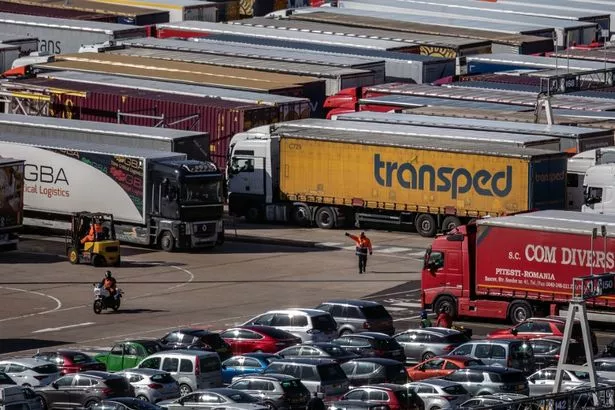
The government has been considering two options for customs, and has not chosen which one it'll stick with yet.
Customs partnership: This would see Britain collect tariffs on all imports on behalf of the EU. If the UK tariff is lower than the EU one, then firms would be able to reclaim the difference. This is favoured by Remainers, but Brexiteers including Boris Johnson say it is "crazy" and will shackle us to Brussels.
Maximum Facilitation ('Max Fac'): This would introduce more checks, but use high-tech tracking devices to monitor the flow of goods. Businesses would operate as “trusted traders” and would be able to pay any tariffs at regular intervals rather than every time they cross a border. Boris Johnson wants this, but the civil service say it will cost firms £20bn a year in red tape.
Why is Northern Ireland such a big problem?
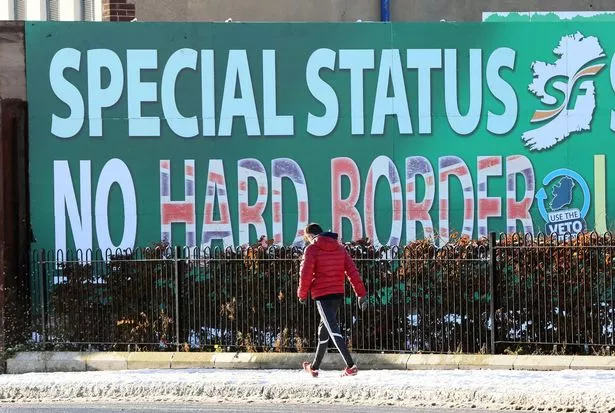
Northern Ireland is the problem that's been holding up almost all the talks.
That's because it is the UK's only land border with the EU - the Republic of Ireland.
And to make things a lot trickier, Northern Ireland can't just stick a wall up along that border. It has all kinds of special statuses because of its violent history.
The 1990s Good Friday Agreement finally ended the Troubles by banning border checks between Northern Ireland and the Republic.
Theresa May has vowed not to bring these checks - a 'hard border' - back, otherwise she risks a return to violence.
Yet she also wants to bring in a totally different set of customs and trading rules for the UK compared to the EU.
So how does she change the rules in Northern Ireland without isolating it from the Republic?
Two years after the Brexit vote, people are still struggling to work it out.
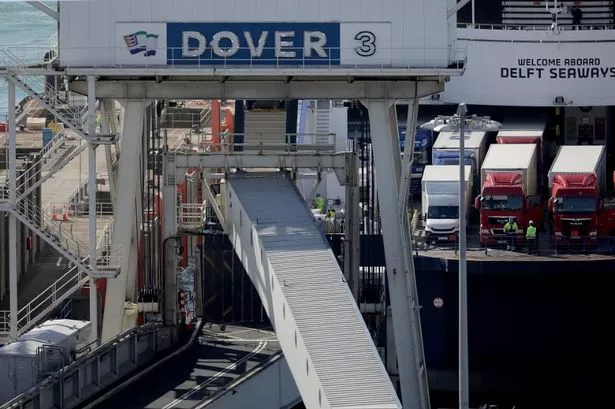
What is the customs 'backstop' and why is everyone fighting over it?
What other problems are there?
The negotiations are not just about trade. The UK and the EU have to discuss data sharing and data protection, regulatory alignment and procurement rules.
Decisions have to be taken on whether we remain in some EU agencies such as Europol, European Medicines Agency and the European Aviation Safety Agency.
Then we have to agree police and intelligence co-operation on issues such as the European Arrest Warrant, criminal records sharing and freezing criminal assets.
Is that all?
No. The UK also has to work out trade arrangements with countries that currently have trade deals with the EU.
Britain would like to roll over these trade deals during the transition period.
The problem is that is not in our gift.
While some of these countries have signalled they are willing to rollover the trade agreements, others such as South Korea and Chile are more reluctant.
India, for instance, could demand we grant more visas in return for a deal.
They have sensed an opportunity to exert some leverage on the UK.
When will it come to ahead?
The moment of maximum danger for the Prime Minister will be in October.
This is when MPs will have the opportunity to vote on any deal.
Nothing is certain. It could be the EU and the UK have been unable to reach a deal by this time and will ask for extra time.
This would require the Article 50 deadline of March 2019 to be extended - something which would require the agreement of all 27 EU countries.
It is also unclear if MPs will have the opportunity to send Mrs May back to the negotiating table if they dislike the deal or they will be presented with a take-it-or-leave it deal.
If it is the take-it-or-leave-it option and the Prime Minister lost the vote then we would crash out without a deal.
It could also force the resignation of the PM or, possibly, oblige her to call a second referendum.
Alternatively, MPs could vote to send Mrs May back to the negotiating table which could see the talks delayed beyond March 2019 - again this would require the EU27 to accept an extension to Article 50.
Subscribe to:
Posts (Atom)